
Outsourcing for Interior Designers
Why Outsourcing Feels Unclear for Many Interior Designers
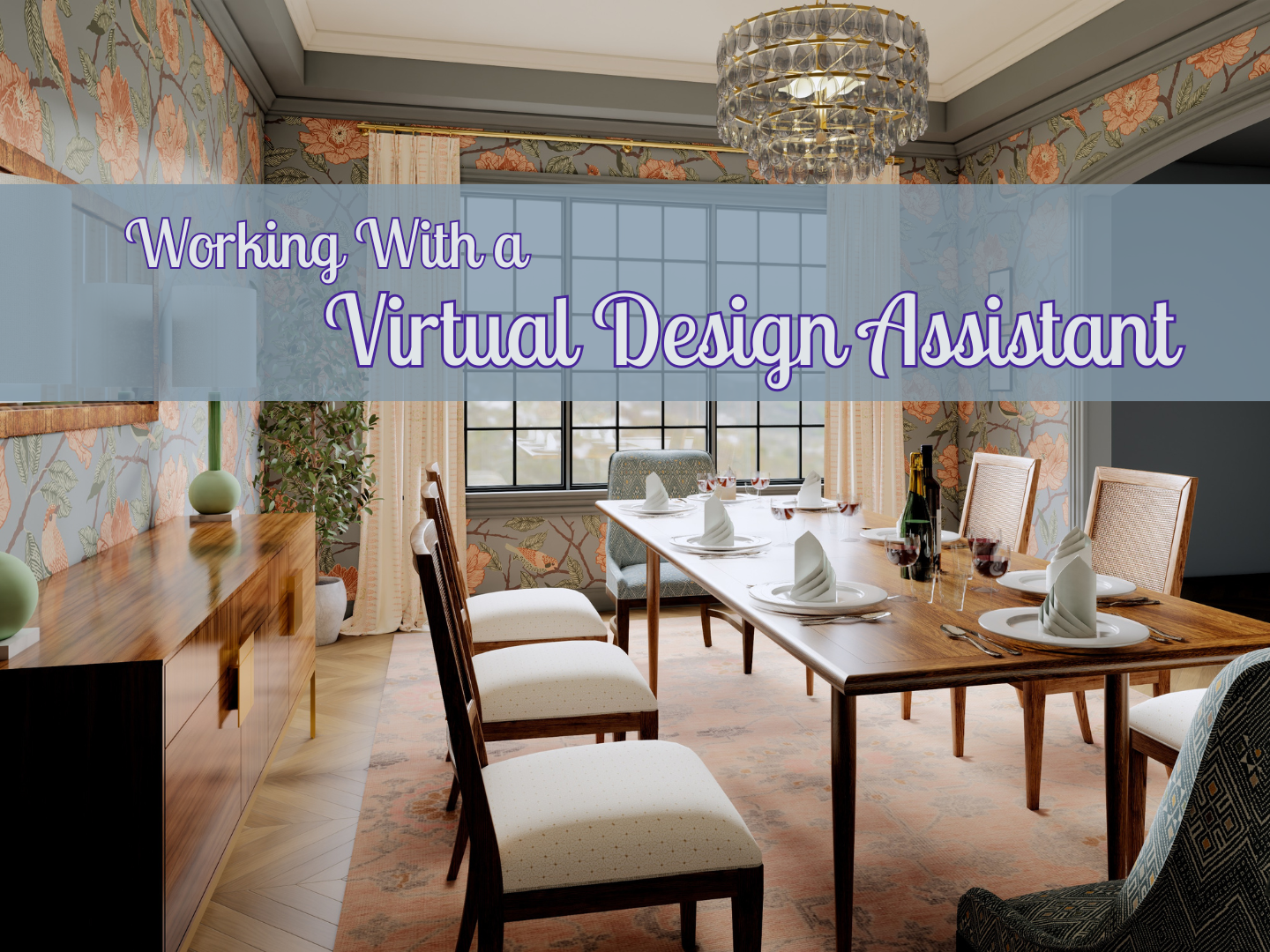
Interior Designers are a very particular bunch. This comment is not meant as a slight, or a judgment on your personality, but as an acknowledgement of a basic truth. As a designer, you have a very specific vision for your client’s project, and you feel it is your responsibility to bring that vision to life. Most often, that means that only you can do the work to accomplish this goal:
You must make all the selections.
You must do all the drawings.
You must build out the presentation.
You must order and track all the products…
Do you see where I’m going with this? Only you can do all the work.
Are you burnt out yet? Is your stress level, and workload, off the charts?
I know how you feel. It’s hard to wear all of the hats. You’ve thought about hiring someone to help carry some of the workload, but you’ve been afraid to pass anything off — whether from fear of losing control of your project, wasting time having to explain yourself, or the stress of engaging in back-and-forth that leaves you more frustrated than if you’d just done the work yourself.
But ask yourself this: what if you had the right help? Someone you could trust and work seamlessly with. Someone who understands your design needs, your timelines and deadlines, and your relationship with your clients and their projects.
There are so many ways that having the right people in your corner can improve not only your design process, but your profitability and your work–life balance, too.
If you are feeling like you’d like help, but have been on the fence — or nervous about engaging the services of someone outside of your own company — I’d like to reassure you that it is possible.
In this article, we’ll go through some common concerns when looking for outside help, and how to find the right fit for you.
What a Virtual Design Assistant Supports (and How the Partnership Works)
There are so many reasons why designers do not delegate their work to outside help, but much of it comes down to trust and the fear of losing control. So how do you overcome these concerns?
As is often the case in situations like these, it comes down to knowledge. Knowing what you need, where to look for it, and how to identify what’s right for you is the first step in moving forward. So let’s talk this out and figure out what information is helpful in finding the support you need for your business.
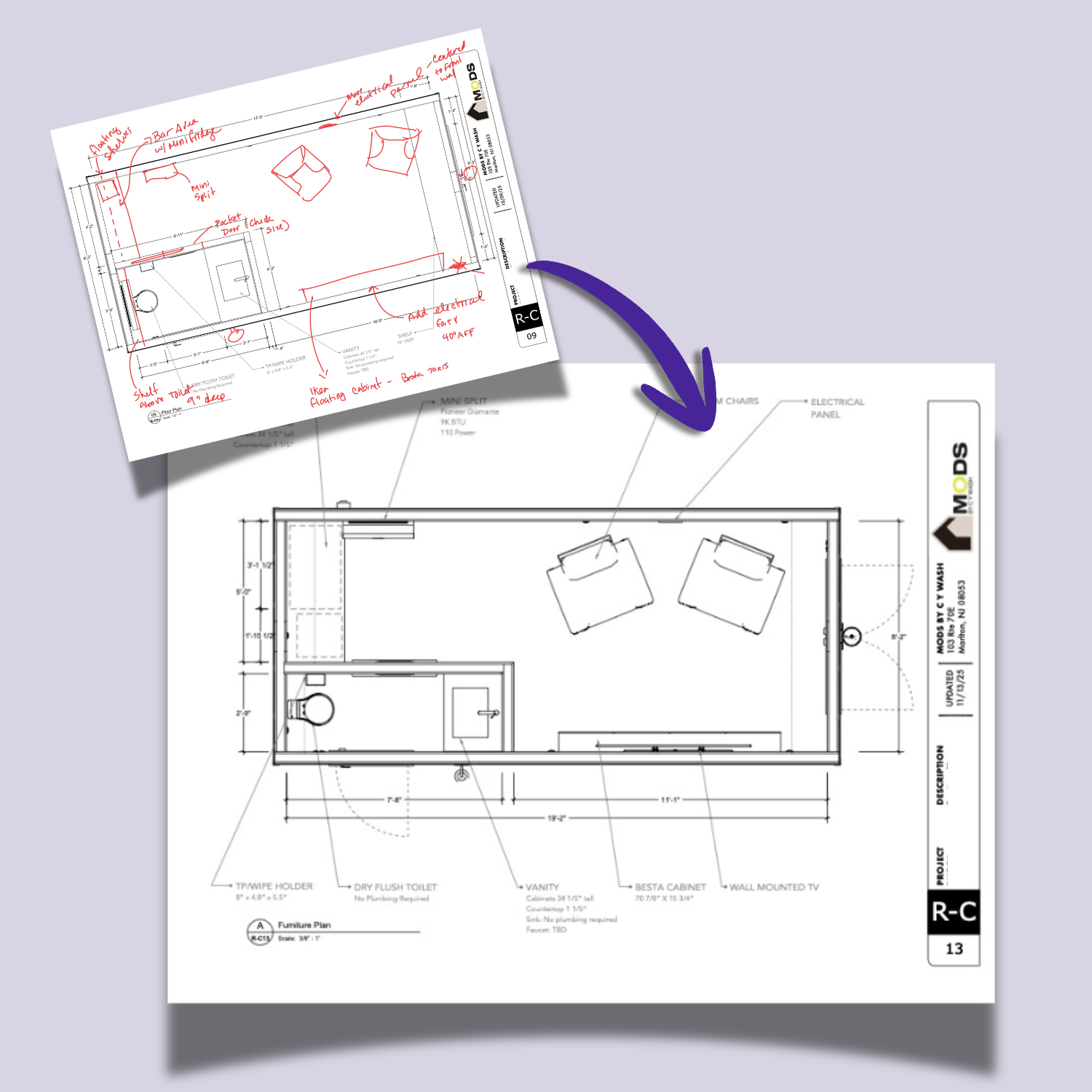
Plans designed for MODS by CY Wash
Virtual Assistant vs. Virtual Design Assistant
When you are looking for help with your business, you may often see these terms used interchangeably — but they are not the same thing.
A Virtual Assistant is a more generic role. While these professionals can be helpful with office and managerial tasks such as ordering, follow-up calls, sorting through emails and documents, and generally keeping track of the minutiae that come with running a business, they usually have no experience with design-related tasks.
A Virtual Design Assistant, on the other hand, focuses on supporting the work needed to make your design process more productive. When considering hiring a Virtual Design Assistant, you should be looking for skills and experience that help alleviate your design workload. A strong Virtual Design Assistant should be able to:
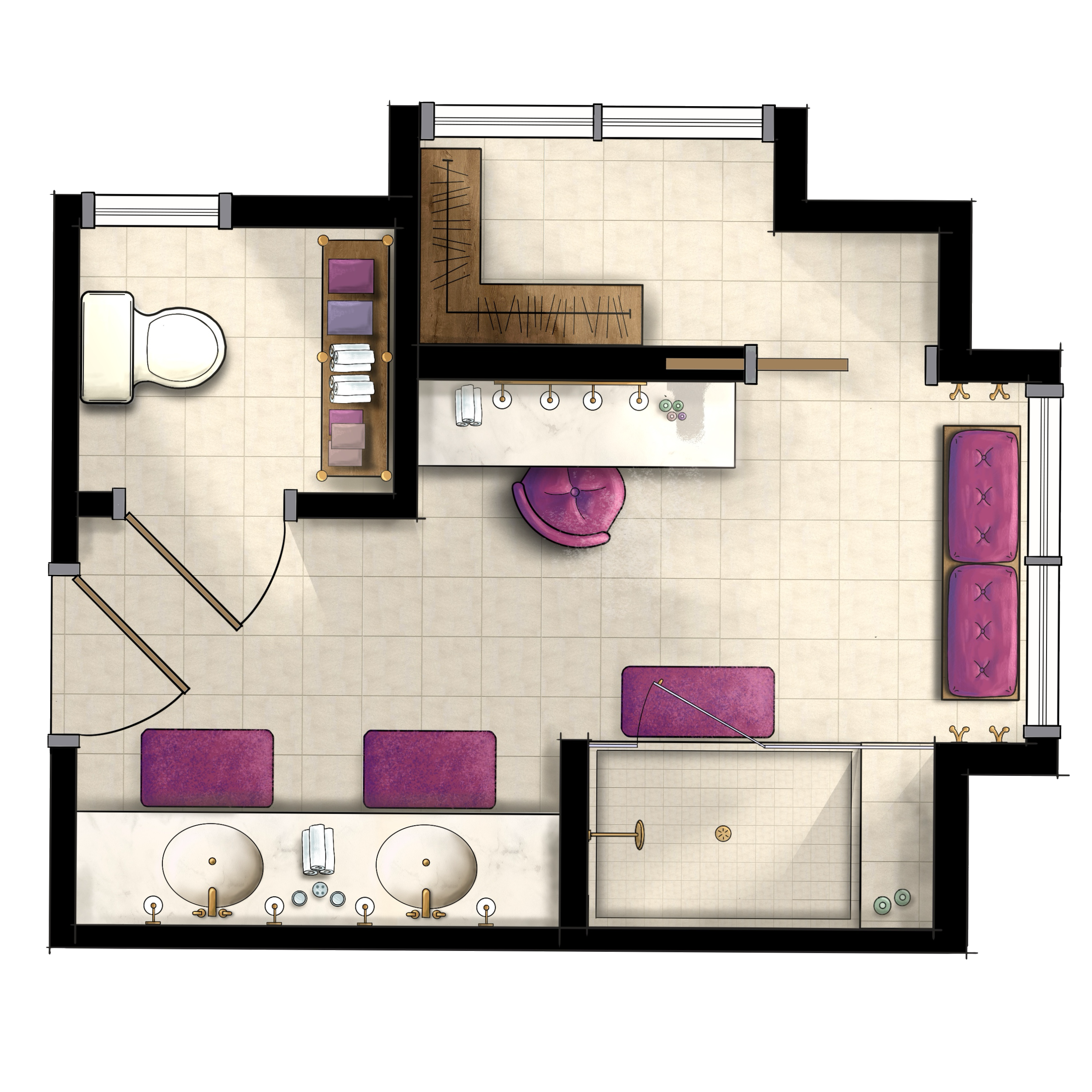
Support your process with drafting, documentation, and presentation visuals using industry-relevant software
Understand interior design concepts, terminology, and principles
Convey your vision — and offer relevant suggestions — without superseding your creative direction
Be flexible with timelines and deadlines
Be communicative and easy to work with
While most Virtual Design Assistants focus on documentation and visual presentations, some may also offer sourcing assistance or product recommendations. It’s important to be upfront with your potential assistant about the type of support you feel you need.
Ultimately, the goal of working with a Virtual Design Assistant should always be to reduce your workload, not add another system for you to manage. A good assistant will tailor their support to your needs and work within your existing process to make your job easier.
Communication, Flexibility, and Day-to-Day Collaboration
One key thing to recognize when working with a Virtual Design Assistant is that they are, by nature, virtual. This means communication and collaboration happen within a digital environment.
Conversations may take place via email, phone calls, or text messages, while documents and files are shared digitally. Video calls and interactive Zoom meetings allow designers and assistants to work face-to-face, review drawings, and collaborate by sharing screens and files. When done well, this type of collaboration should feel easy and straightforward — not cumbersome or stress-inducing.
A good assistant can help guide you through this process if it’s new to you, but it’s also important to be open to working this way if it’s unfamiliar.
Flexibility is another important quality of a strong Virtual Design Assistant. They should be able to meet agreed-upon deadlines and provide project-based support, while also adjusting to shifting timelines and design changes as needed. This doesn’t mean expecting constant availability or last-minute turnarounds, but rather working with someone who is responsive, communicative, and honest about their availability.
At its best, the designer–assistant relationship should feel simple and human.
Technical Execution Backed by Interior Design Experience
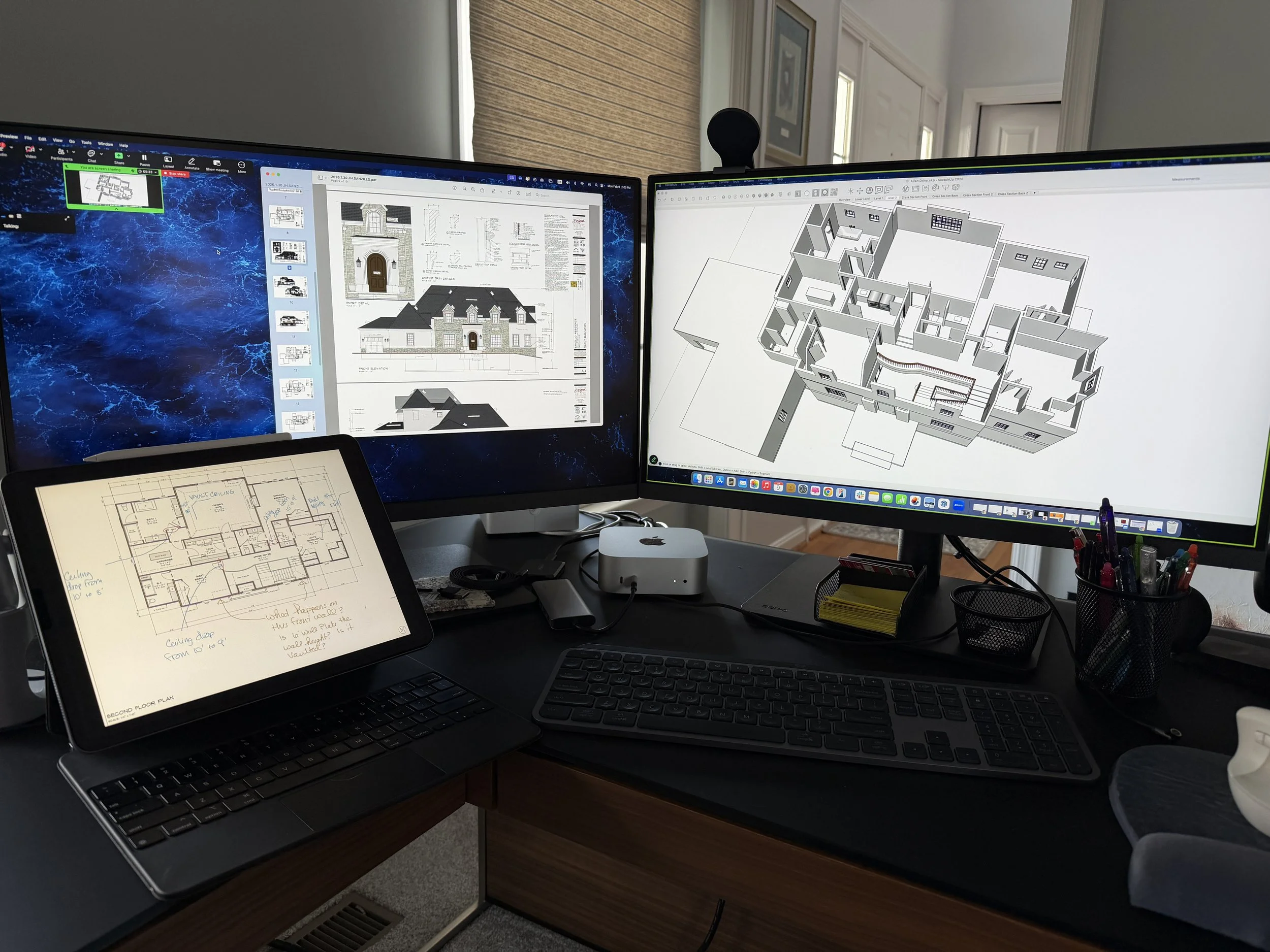
The best Virtual Design Assistants have experience working within the interior design field and understand the realities of client-facing design work. This often includes experience collaborating with designers, clients, contractors, and builders.
That background matters. It means your assistant understands the challenges you face, the obstacles that arise during projects, and the importance of meeting both creative and practical expectations. Familiarity with revisions, client feedback, and real-world constraints allows them to anticipate needs — not just follow instructions.
A background in drafting and documentation is essential, as is proficiency in the tools required to produce clear, professional visual materials. While it can be helpful to work with an assistant who uses the same software you do, it isn’t always necessary. What matters most is their ability to produce accurate, high-quality visuals and make revisions efficiently.
Above all, a strong Virtual Design Assistant understands why this work matters — and helps bring your vision to life so you can focus on creating and selling it to your client.
What Designers Often Gain from the Right Kind of Support
Finding the right support for your business can be truly transformative. Just imagine what it could change:
More time for creative work
Less stress around deadlines
Clearer, more confident client presentations
A smoother, more seamless design process
If these are goals you’ve been working toward, it may be time to consider the kind of support you’ve been looking for — and putting off — for years.
If you’ve been feeling stretched thin, overwhelmed by production work, or simply curious about what support could look like for your business, know that you don’t have to figure it out all at once. The right kind of help should feel like an extension of your process — supportive, flexible, and aligned with your vision. If you’re ready to explore whether a Virtual Design Assistant could fit into your workflow, or even just want to start the conversation, I’m always happy to connect and talk through what that partnership might look like.
Take the Outsourcing Self Assessment
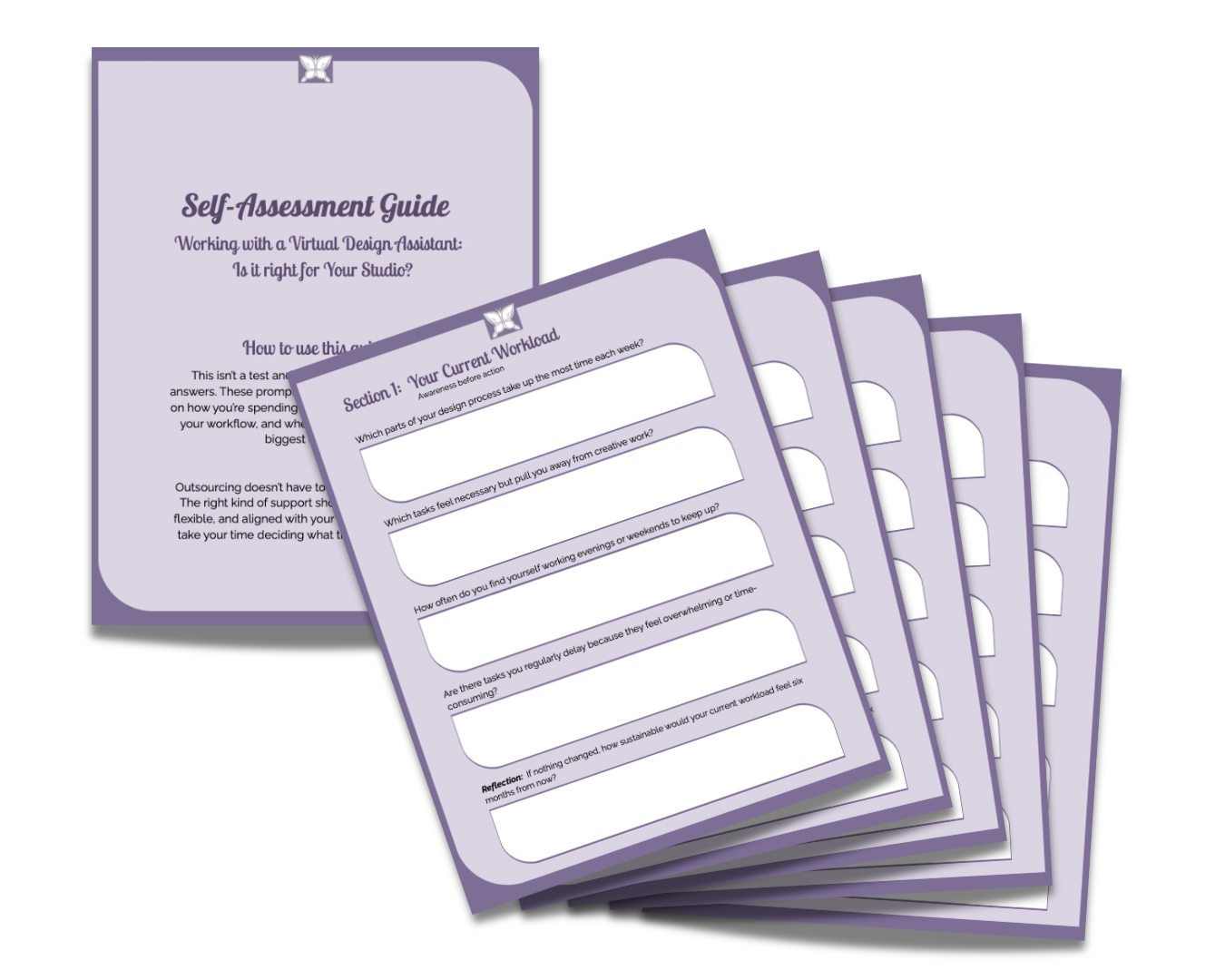
Not sure if hiring a Virtual Design Assistant is right for. you? Download my free Outsourcing Self-Assessment to help you evaluate your workload, identify time-consuming tasks, and explore how working with a Virtual Design Assistant could support your studio.